An automatic pool cover can do more than cover a swimming pool when it is not in use. With the push of a button or turn of a key, the cover can help keep debris out, reduce water evaporation, retain pool heat, and create a barrier over the water when the pool is closed.
But an automatic pool cover is also a major pool upgrade, and the price can vary widely depending on the pool size, shape, cover system, installation method, and whether it is planned with a new pool or added to an existing one.
So, are automatic pool covers worth it?
For some homeowners, the combination of safety, convenience, water conservation, and reduced pool maintenance can justify the cost. For others, a manual cover may make more sense.
Here's what to consider before adding an automatic cover to a fiberglass pool.
Are Automatic Pool Covers Worth It?
Automatic pool covers can be worth the investment if you want easier pool access, added protection when the pool is closed, lower water evaporation, better heat retention, and less debris entering the water.
The value depends on how often you use the pool, whether you heat it, your pool's shape and size, your budget, and whether the cover is included during the original pool installation or added later.
An automatic cover should also be treated as part of the pool design rather than an afterthought. The cover tracks, mechanism, coping, deck, electrical requirements, and available space can all affect the final installation.
What Is an Automatic Pool Cover?
An automatic pool cover is a motorized cover system that opens and closes along tracks installed around the pool.
Instead of manually lifting, rolling, or storing a cover, the homeowner can operate the system using a control switch or key. When closed, the cover sits over the pool and creates a physical barrier between the water and the surrounding backyard.
Automatic safety covers are available with different track, fabric, mechanism, and lid options. Some systems are designed to be built into the pool and deck during construction, while others can be installed on an existing pool using a deck-mounted system.
The exact setup depends on the pool shape, available deck space, cover system, and installation requirements.
What Are the Benefits of Automatic Pool Covers?
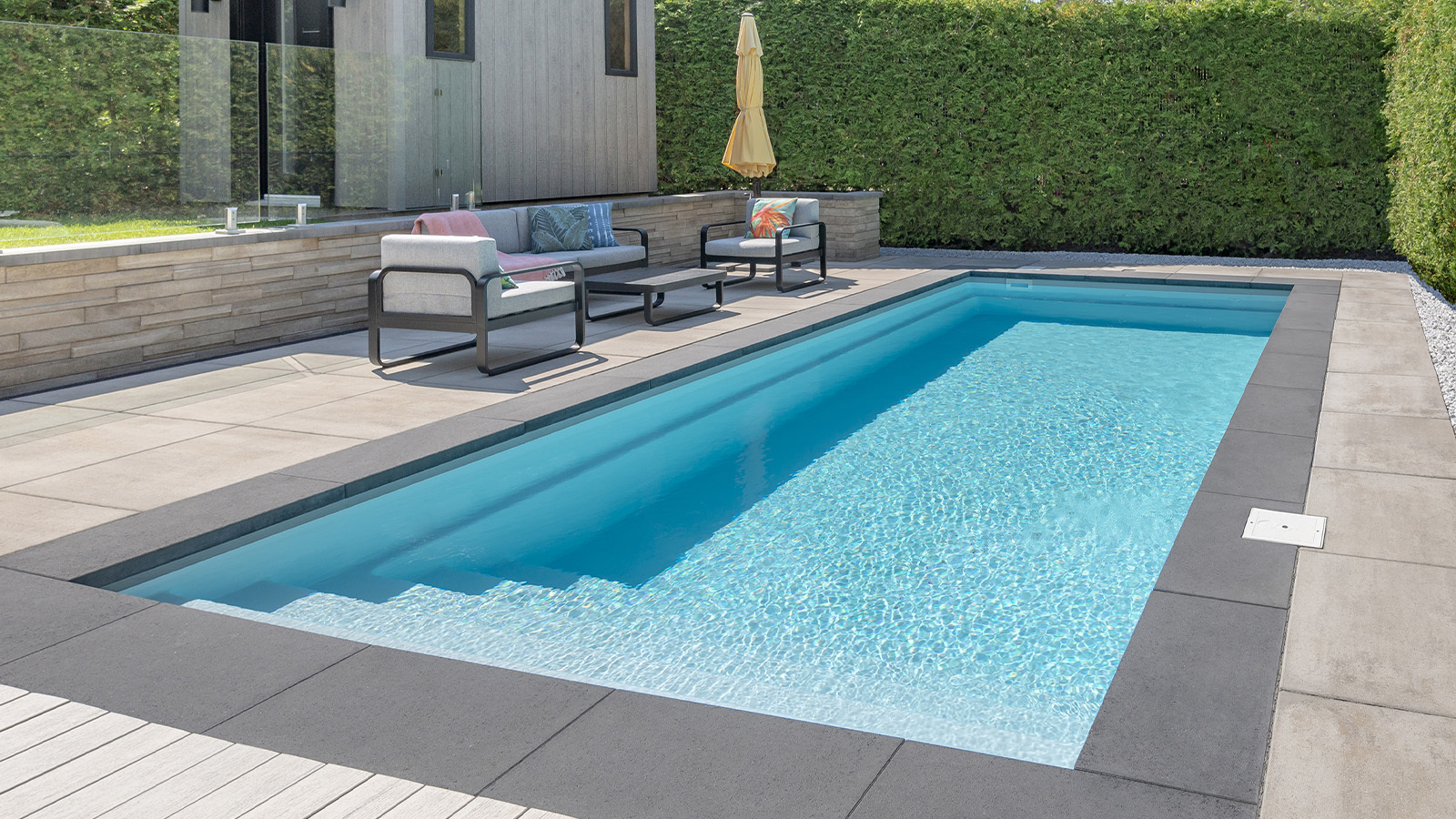
An automatic cover can affect several parts of pool ownership, from everyday use to water and heat management.
1. Added Pool Safety
Safety is one of the main reasons homeowners consider an automatic safety pool cover. When properly closed and installed, a safety cover creates a physical barrier over the pool. Some automatic safety covers are designed and tested to meet applicable safety standards, but requirements vary by product and location.
For households with children or pets, the ability to close the pool quickly when it is not being used can be an important part of a backyard safety plan. A pool cover does not replace active supervision, fencing, alarms, or other required safety measures. Homeowners should follow the manufacturer's instructions and local pool safety requirements.
2. Less Water Evaporation
Pool water naturally evaporates, especially when the water is warm and exposed to sunlight, wind, and dry air.
An automatic cover reduces the pool's exposure when it is closed. This can reduce water loss and the amount of water that needs to be added during the swimming season.
Less evaporation can also mean less time spent correcting water chemistry after adding replacement water.
The actual reduction depends on weather, pool temperature, cover use, and how well the cover fits the pool.
3. Better Heat Retention
If you heat your pool, an automatic cover can help keep more of that heat in the water when the pool is not being used.
This is mainly related to evaporation. When warm pool water evaporates, heat leaves with the water vapor. Covering the pool reduces that exposure.
This can be particularly useful for homeowners who want to use their pool for more of the season or maintain a comfortable water temperature without leaving the pool uncovered between swims.
The amount of energy saved depends on the pool, heater, weather conditions, water temperature, and how consistently the cover is used.
4. Less Debris in the Pool
Leaves, grass, dirt, insects, and other debris can enter an uncovered pool.
Keeping the pool covered when it is not in use can reduce the amount of debris reaching the water. That can mean less skimming and cleaning and may reduce the workload on the filtration system.
A cleaner pool does not mean maintenance disappears. Water chemistry, filtration, cleaning, and equipment checks are still needed.
5. Easier Everyday Use
One of the biggest differences between an automatic cover and a manual cover is convenience.
If opening and closing a cover takes only a button press or key operation, homeowners may be more likely to use the cover consistently.
That matters because many of the benefits of a pool cover depend on actually keeping the pool covered when it is not being used.
How Much Does an Automatic Pool Cover Cost?
There is no single automatic pool cover cost that applies to every pool.
Current Canadian sources show a wide range. Some suppliers quote systems starting around $10,000, while other Canadian and Ontario sources place many installations around $15,000–$25,000 or higher. A 2026 British Columbia source reports new installations at about $20,000+ and existing-pool installations at $17,000+. These figures are reference ranges rather than Azoria pricing.
The final price can depend on:
- Pool size
- Pool shape
- Cover material
- Track type
- Motor and mechanism
- Electrical work
- Deck construction
- Coping
- Recessed or deck-mounted installation
- Available space around the pool
- New pool installation or retrofit
- Site conditions
- Custom features
For an Azoria project, the cover supplier and pool installer should confirm the exact system and price for the selected pool.
New Pool vs. Existing Pool Installation
Planning an automatic cover during a new pool installation can provide more options for integrating the mechanism, tracks, coping, and deck.
Adding a cover to an existing pool can still be possible, but the available deck space, pool shape, coping, and existing construction may limit the installation options.
Some systems use deck-mounted tracks for existing pools, while other installations can use recessed or under-track solutions when the pool and deck allow it.
This is one reason to discuss the cover before construction begins if you already know you want one.
Do Automatic Covers Work with Fiberglass Pools?
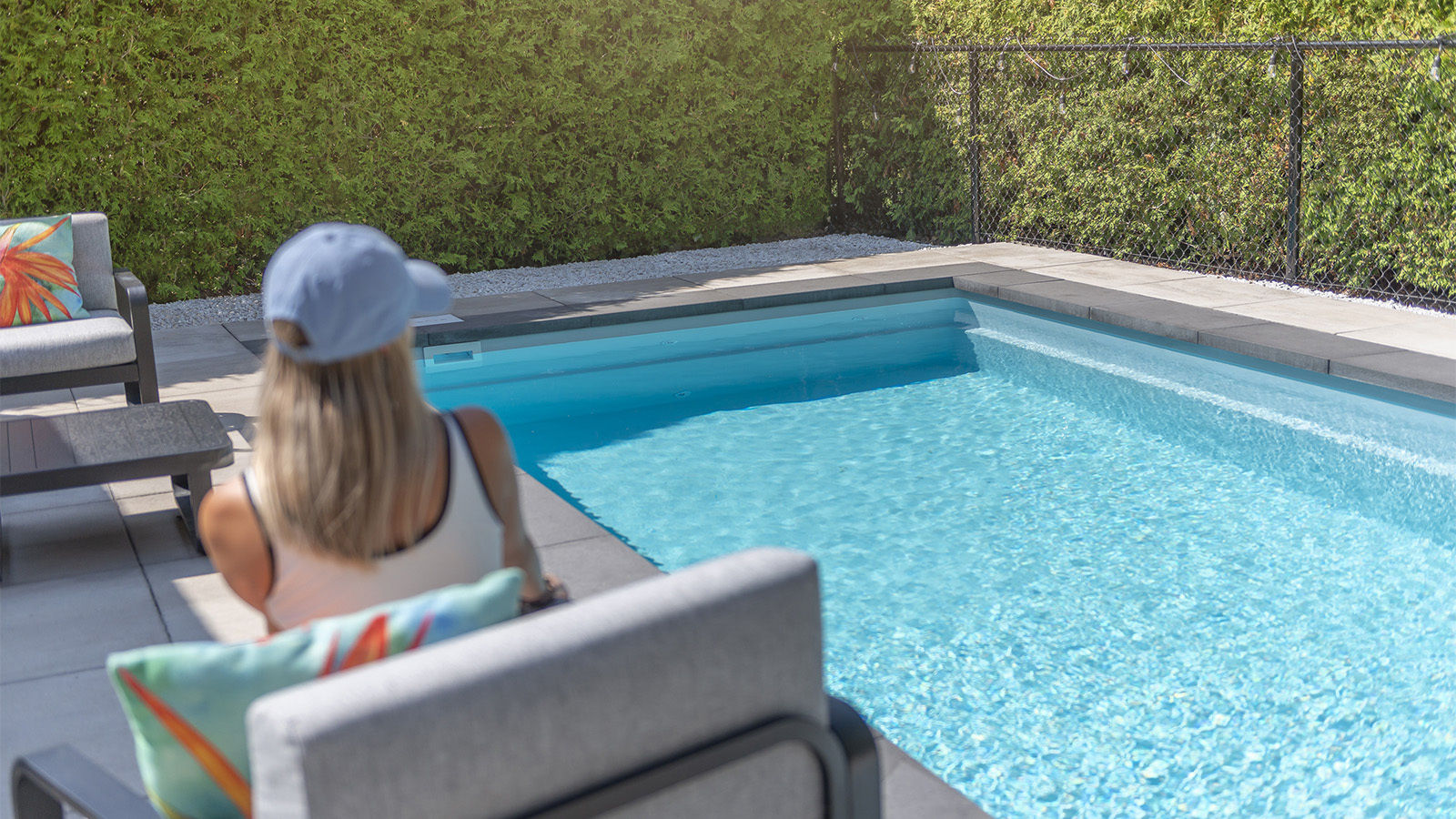
Yes, automatic covers can be used with fiberglass pools.
Yes, automatic covers can be used with fiberglass pools, provided the selected pool and cover system are compatible.
Pool shape, track placement, available deck space, and the location of the cover mechanism all affect installation. Rectangular pools may allow for a more straightforward track arrangement, while freeform pools may require a different system depending on their design.
If you're planning a new Azoria fiberglass pool, discuss your automatic cover requirements with your Azoria dealer and cover supplier before finalizing the pool model. They can confirm compatibility, installation options, and any requirements for the coping and surrounding deck.
Before selecting a cover, ask your pool builder:
- Is this pool model compatible with an automatic cover?
- What track options are available?
- Where will the mechanism be located?
- How much deck space is required?
- What coping works with the cover?
- Will electrical work be required?
- Can the cover be installed during pool construction?
Which Fiberglass Pool Shapes Work Best with Automatic Covers?
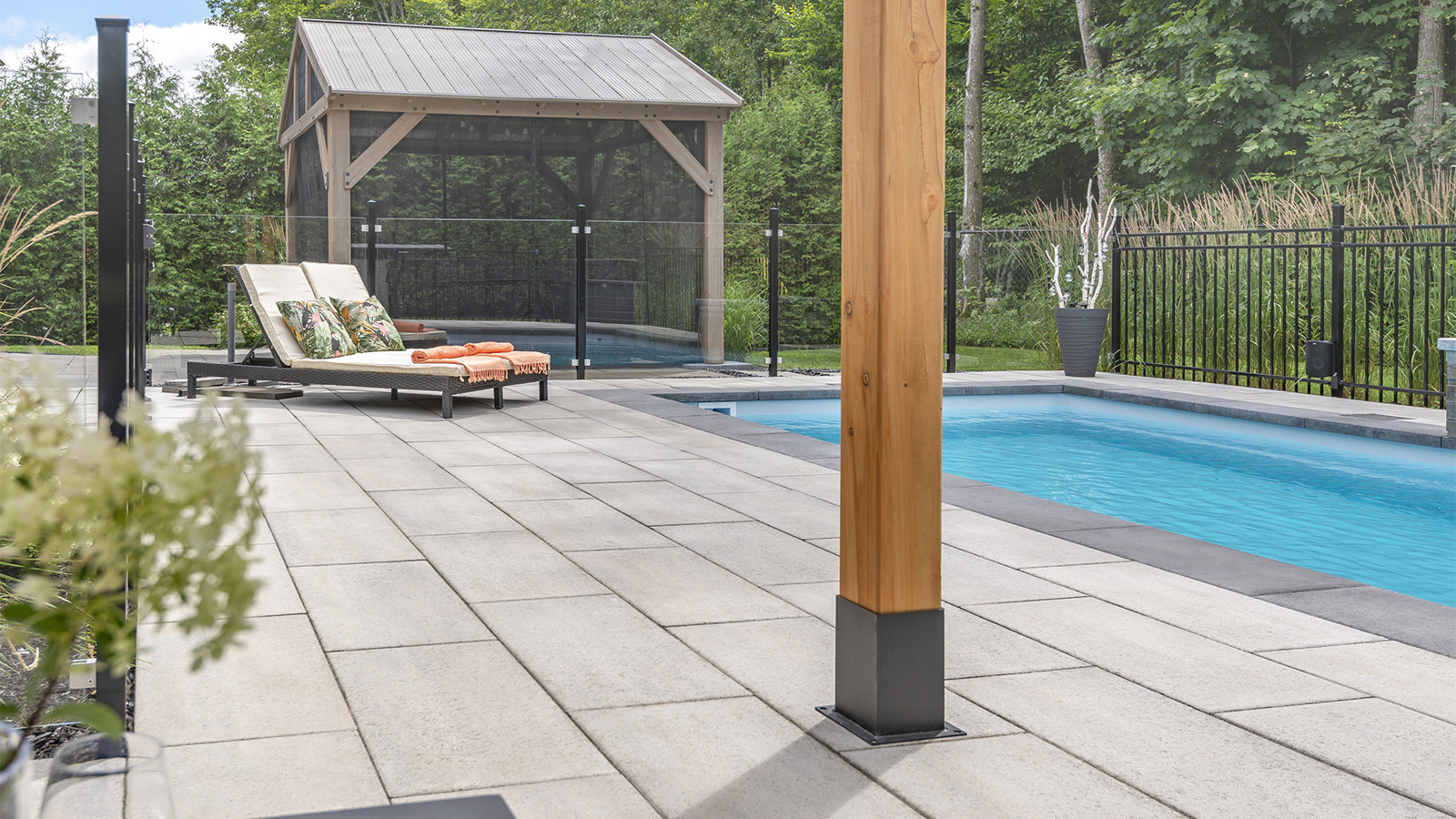
Pool shape can affect both the installation and the cost of an automatic cover.
Rectangular Fiberglass Pools
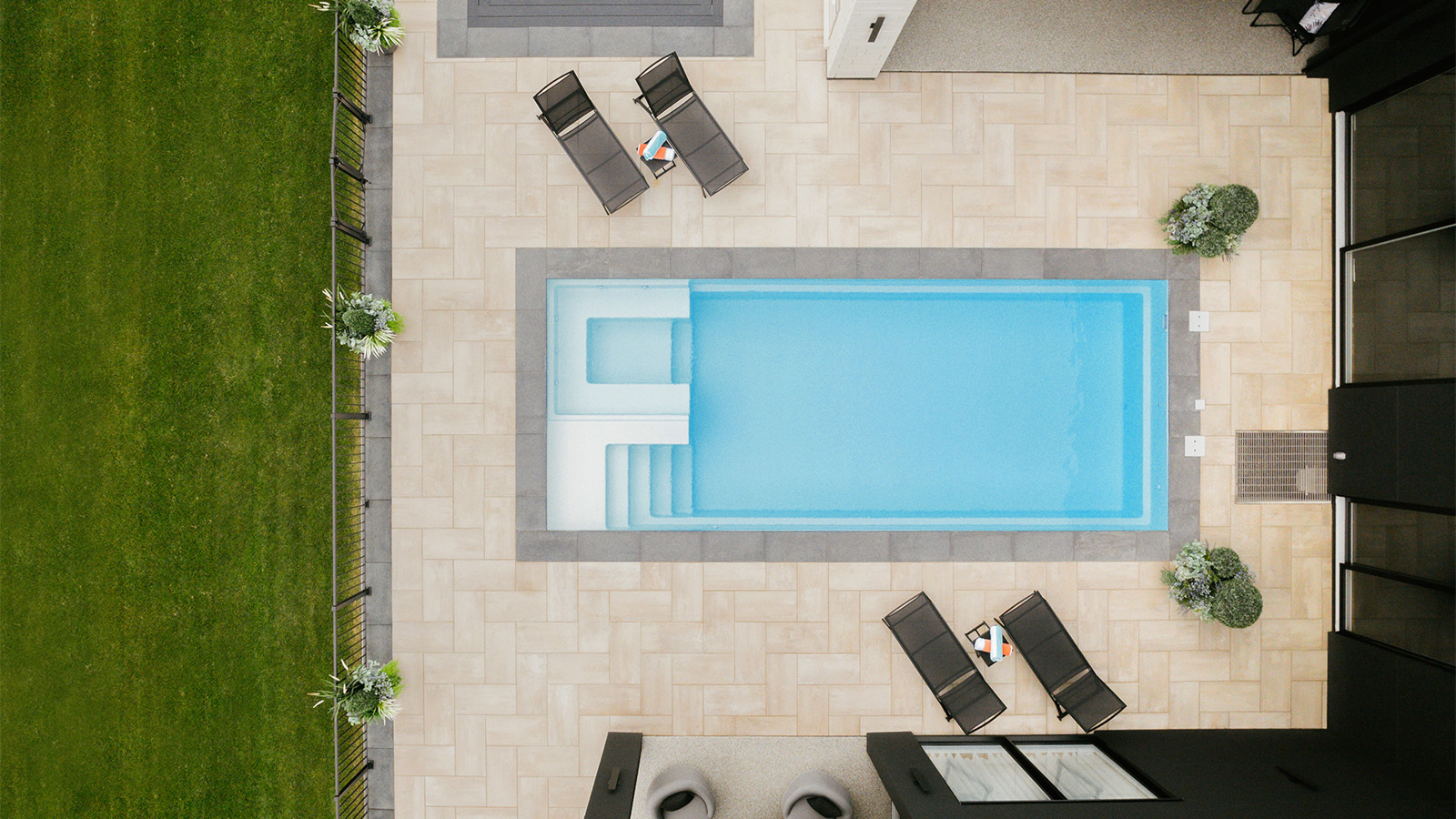
Rectangular pools are often easier to pair with automatic covers because the straight sides provide a simpler path for the cover tracks.
Azoria offers a wide selection of rectangular fiberglass pools in different sizes. Models such as Quartz, Sapphire, South Hampton, Sauble, and Larimar are part of the current Azoria lineup.
Small Fiberglass Pools
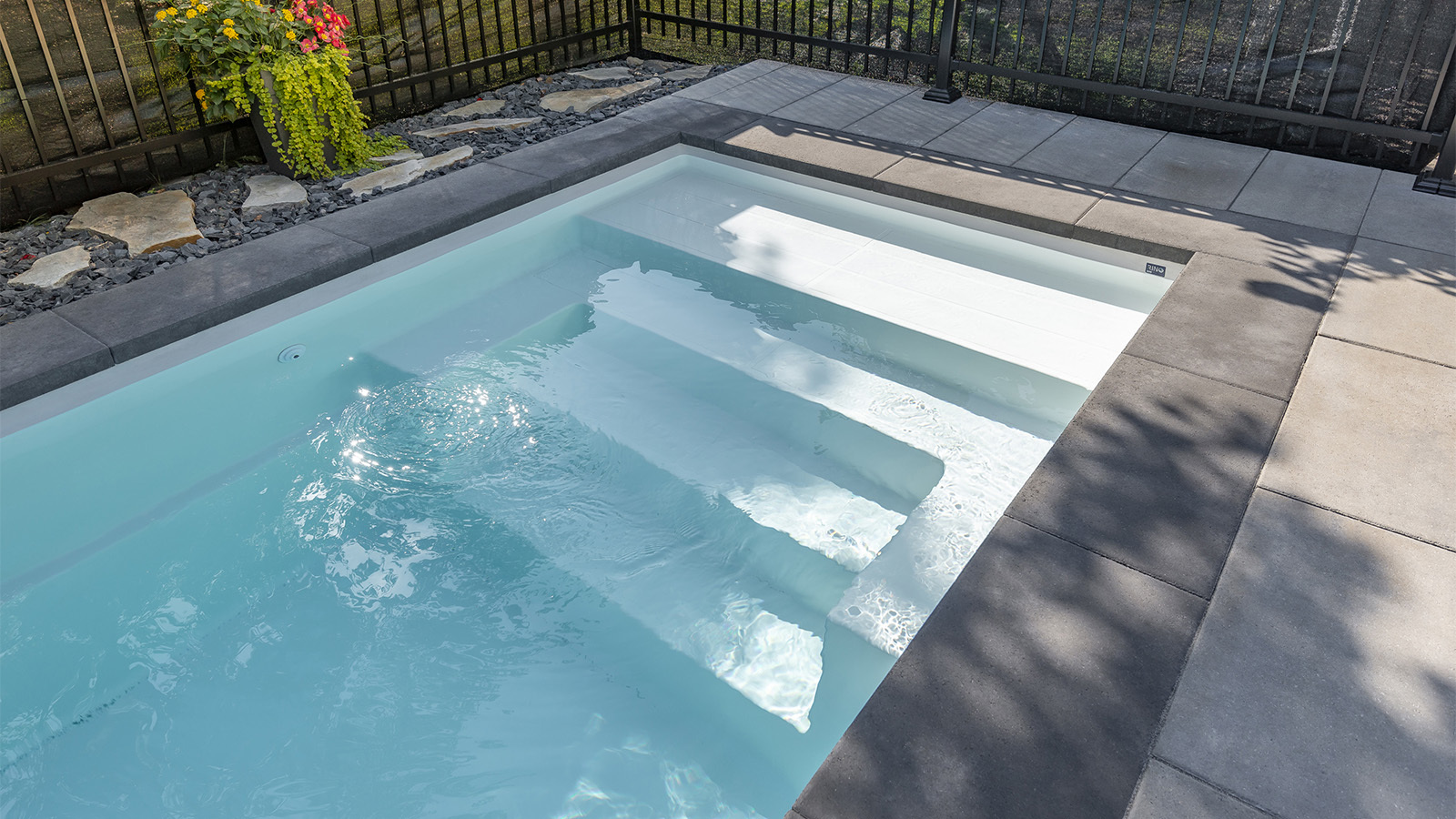
A smaller pool does not automatically mean a lower cover cost. The mechanism, track system, installation method, and pool design still affect the final price.
For homeowners with limited backyard space, it is worth discussing the cover at the same time as the pool model rather than trying to fit the cover into the project later.
Can an Automatic Cover Be Added Later?
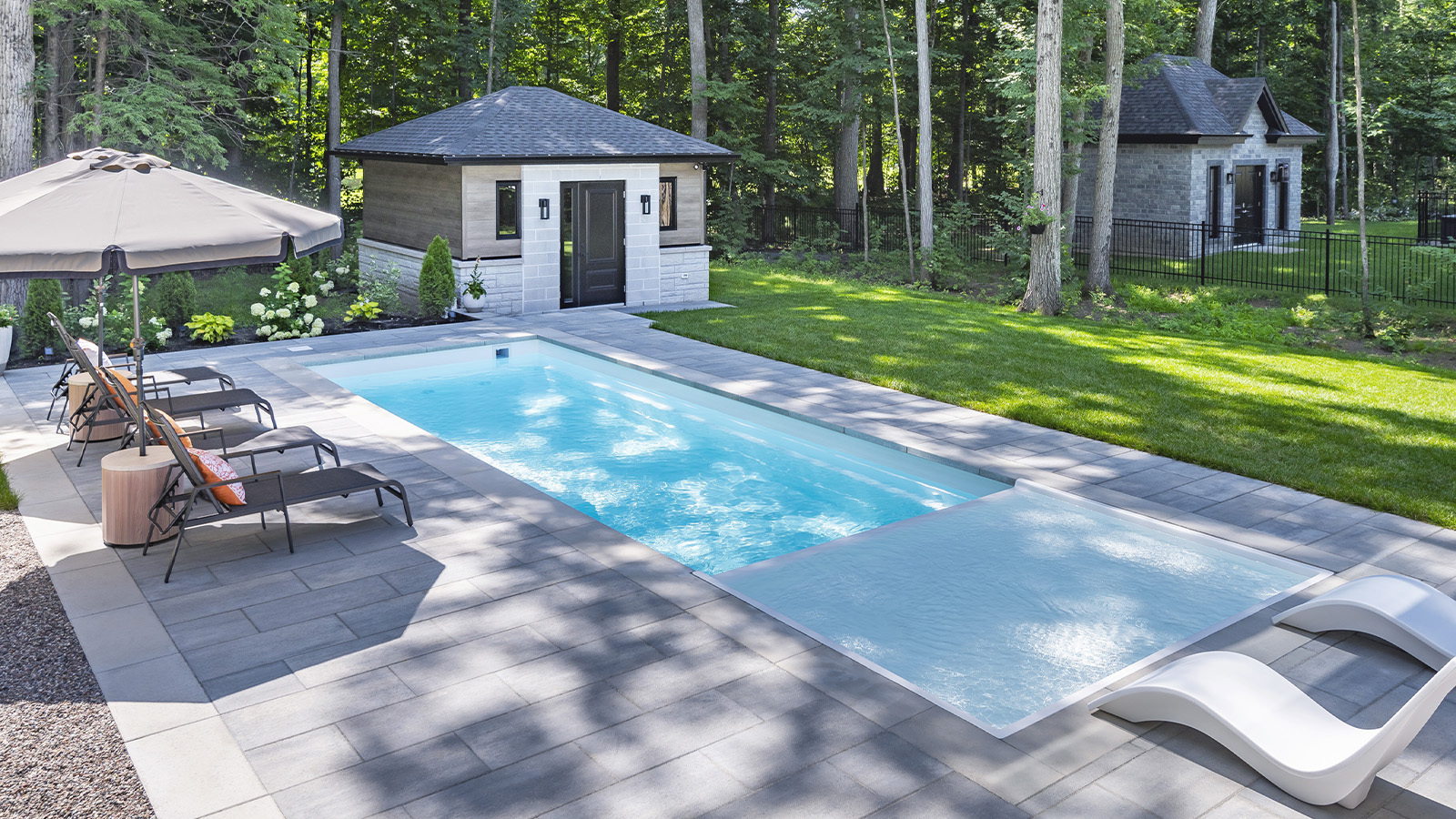
In some cases, yes.
Automatic covers can be installed on existing pools, but a retrofit may have more limitations than an installation planned during the original pool construction.
The installer may need to evaluate:
- Available deck space
- Pool shape
- Existing coping
- Track placement
- Mechanism location
- Electrical access
- Existing deck construction
- Obstacles around the pool
Some automatic cover systems are specifically designed for existing pools and can use deck-mounted tracks.
However, if you already know that an automatic cover is important to you, discussing it during the pool planning stage gives the builder and cover supplier more options.
What About Pool Maintenance?
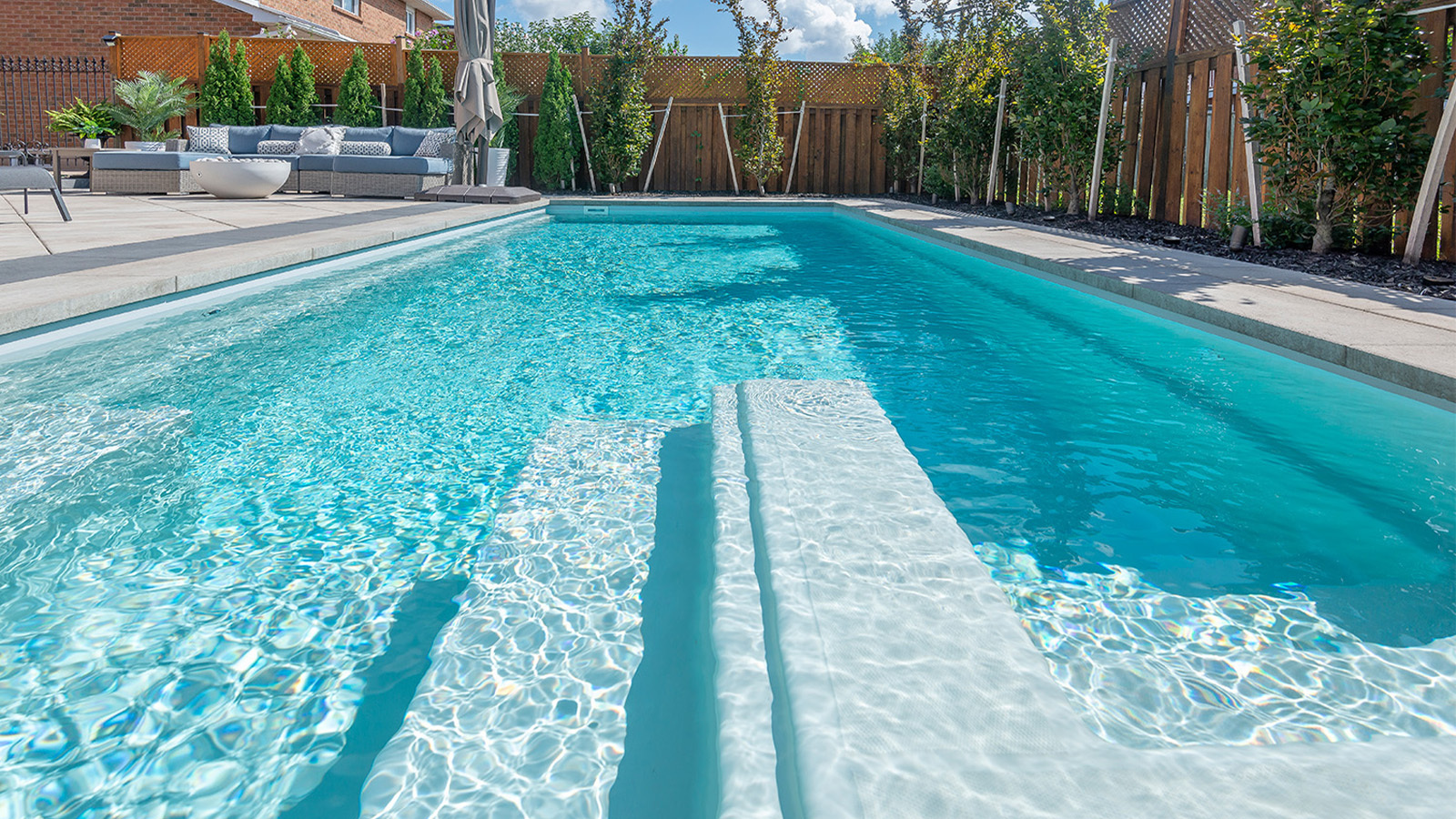
An automatic cover can reduce some routine work, but it does not eliminate pool maintenance.
By limiting debris and evaporation, the cover may help reduce some of the work involved in keeping the pool clean and maintaining water levels. Some suppliers also connect automatic covers with lower chemical and energy use, but the actual results vary by pool and climate.
Your filtration system still plays an important role.
The pump and filter need to circulate and clean the water whether the pool is covered or open. Water chemistry also needs to be checked and maintained according to the pool manufacturer's and equipment supplier's recommendations.
This is where the pool cover and filtration systems should be considered together rather than as separate purchases.
Automatic Pool Cover vs. Manual Pool Cover
The right cover depends on how you plan to use your pool.
| Feature | Automatic Pool Cover | Manual Pool Cover |
|---|---|---|
| Opening and closing | Motorized | Manual |
| Daily convenience | High | Requires more effort |
| Safety options | Safety-rated systems available | Depends on cover type |
| Water evaporation | Helps reduce it | Depends on cover design and use |
| Heat retention | Helps retain heat | Depends on cover type |
| Upfront cost | Higher | Usually lower |
| Installation | Requires tracks and mechanism | Usually simpler |
| Existing pool retrofit | Possible with suitable system | Often simpler |
| Maintenance | Mechanism and cover require care | Cover itself requires care |
The main difference is not simply the cover material. It is how the system fits your pool, your budget, and how often you expect to use it.
When Is an Automatic Pool Cover Worth It?
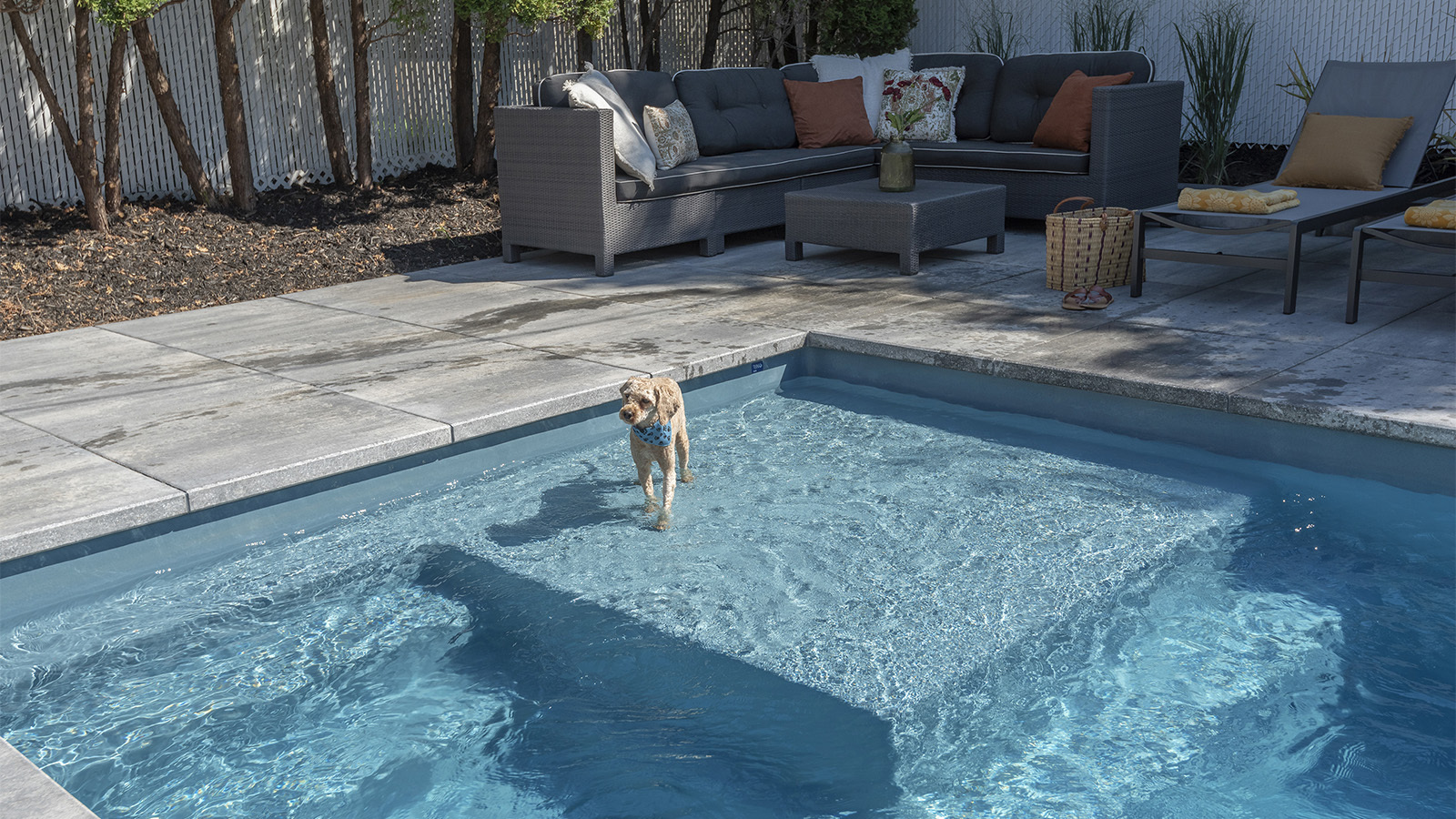
An automatic cover may make more sense when:
- You use your pool frequently.
- You plan to heat the pool.
- You want to reduce water evaporation.
- You have children or pets and want an additional barrier when the pool is closed.
- You want to spend less time opening and storing a manual cover.
- You want to keep debris out of the pool.
- You are building a new pool and can plan the cover into the design.
- Your selected pool shape works well with the cover system.
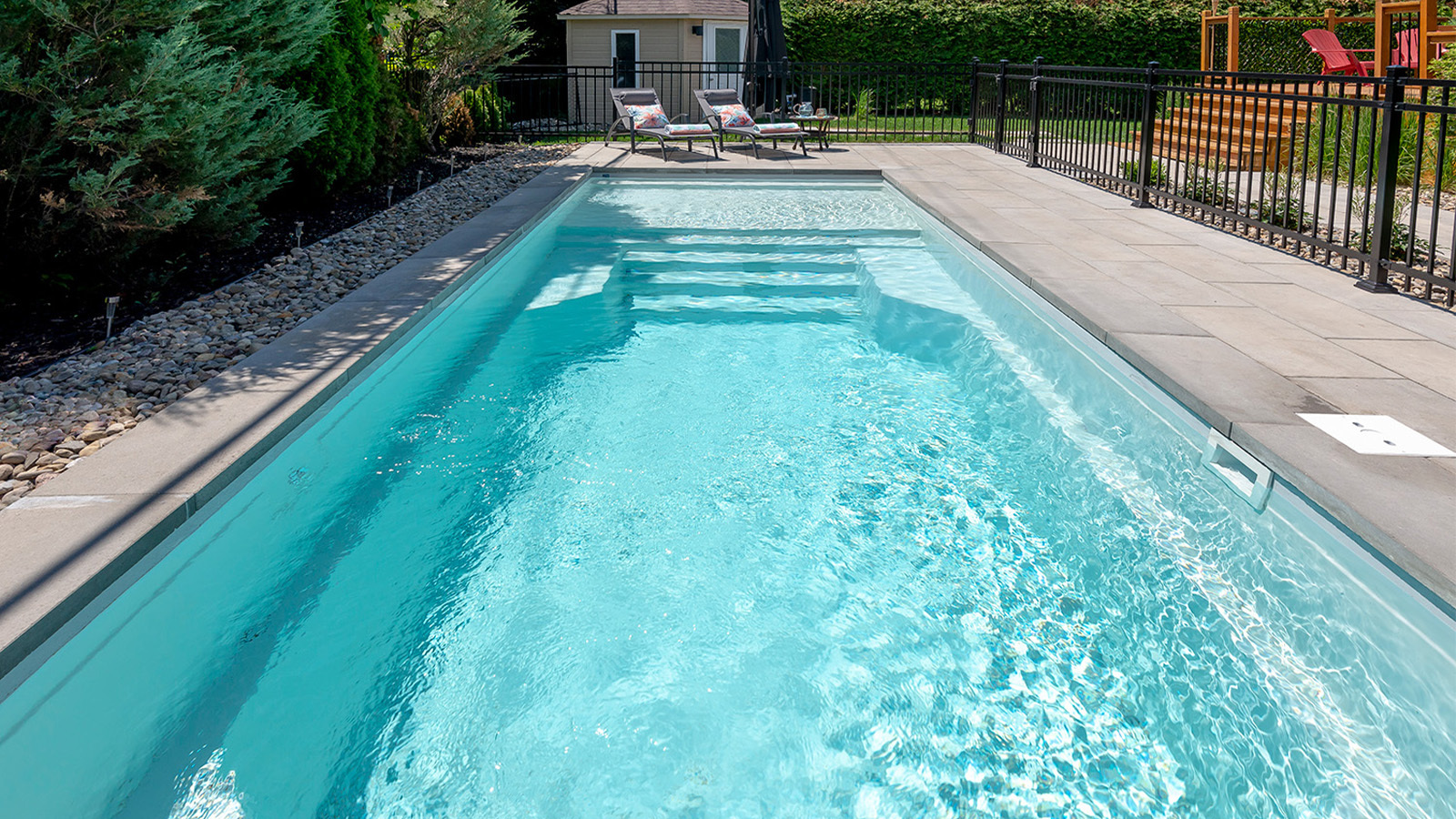
What Should You Ask Before Buying an Automatic Pool Cover?
Before choosing a system, ask both your pool builder and cover supplier about the complete installation.
Ask Your Pool Builder
- Is my selected fiberglass pool compatible with an automatic cover?
- Which pool shapes work with the available systems?
- How much deck space will the cover require?
- Can the cover be built into the pool installation?
- Which coping options are compatible?
- Where will the mechanism be located?
Ask the Cover Supplier
- What type of cover is recommended for this pool?
- What safety standard does it meet?
- What is included in the quoted price?
- What maintenance does the mechanism require?
- What is covered under the warranty?
- How long is the expected service life of the cover and mechanism?
- Can the system be retrofitted later?
- What happens if the cover fabric or mechanism needs repair?
Ask About Filtration and Pool Equipment
- Will the cover change the pool's filtration needs?
- How should pump and filter operation be managed when the pool is covered?
- Are there recommended changes to water chemistry?
- How does the cover work with the selected heating system?
- Are there any equipment requirements related to the cover?
Getting these answers before construction can prevent unexpected changes later.
Automatic Pool Covers and Azoria Fiberglass Pools
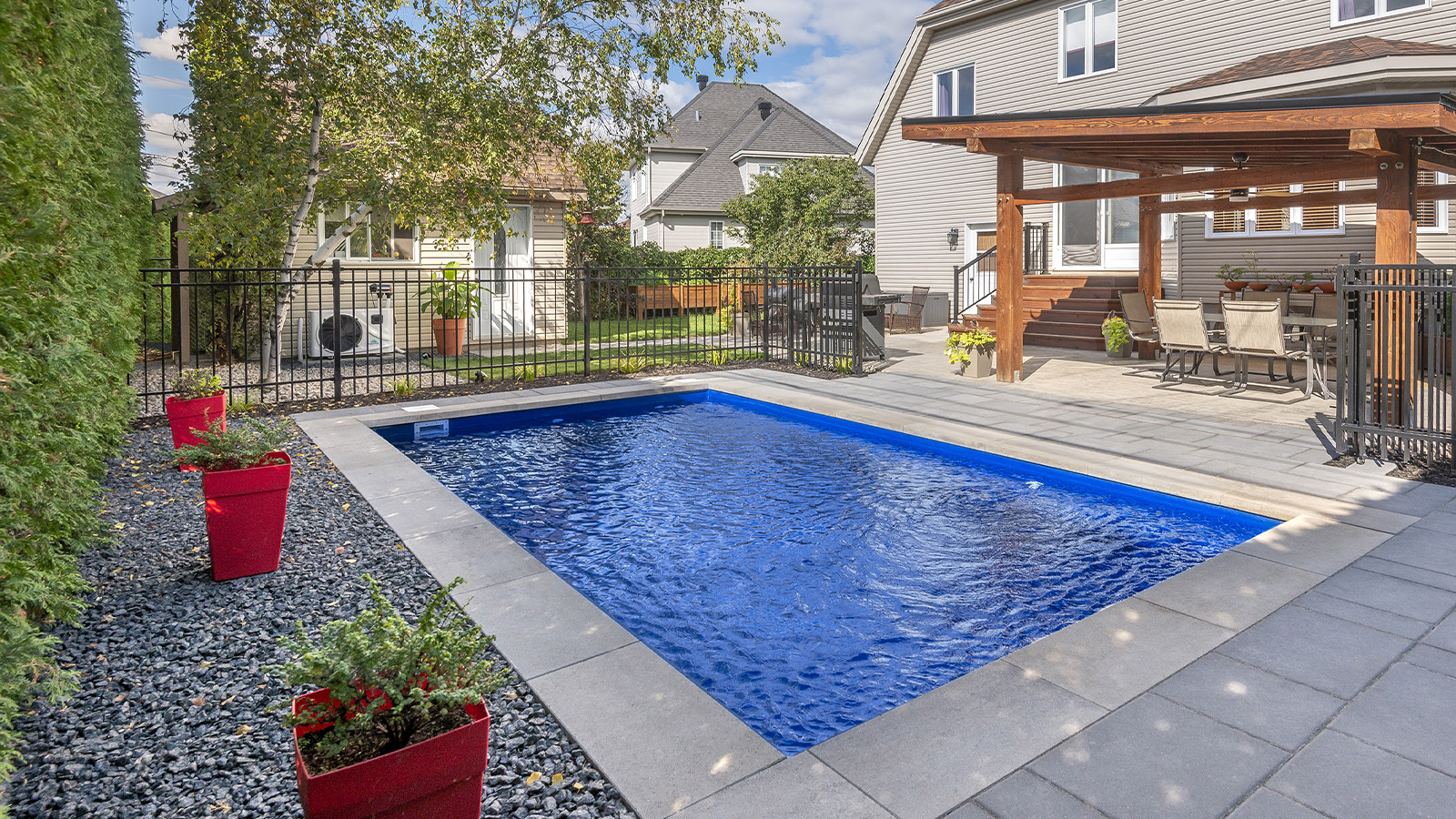
An automatic pool cover can make pool ownership easier while providing benefits such as added protection when the pool is closed, reduced evaporation, heat retention, and less debris entering the water.
The main consideration is whether those benefits justify the upfront cost for your pool and how you plan to use it.
If you're building a new fiberglass pool, discuss the cover before selecting the final pool model. Your Azoria dealer and cover supplier can confirm compatibility, installation requirements, pricing, and available options.
Conclusion -
If you're building a new fiberglass pool, discuss the automatic cover before selecting your final pool model. That gives your pool builder and cover supplier the opportunity to plan the tracks, mechanism, deck, electrical requirements, and other details together.
For an Azoria fiberglass pool, start by choosing the pool model and then ask your Azoria dealer and automatic-cover supplier which systems are compatible with that design.
