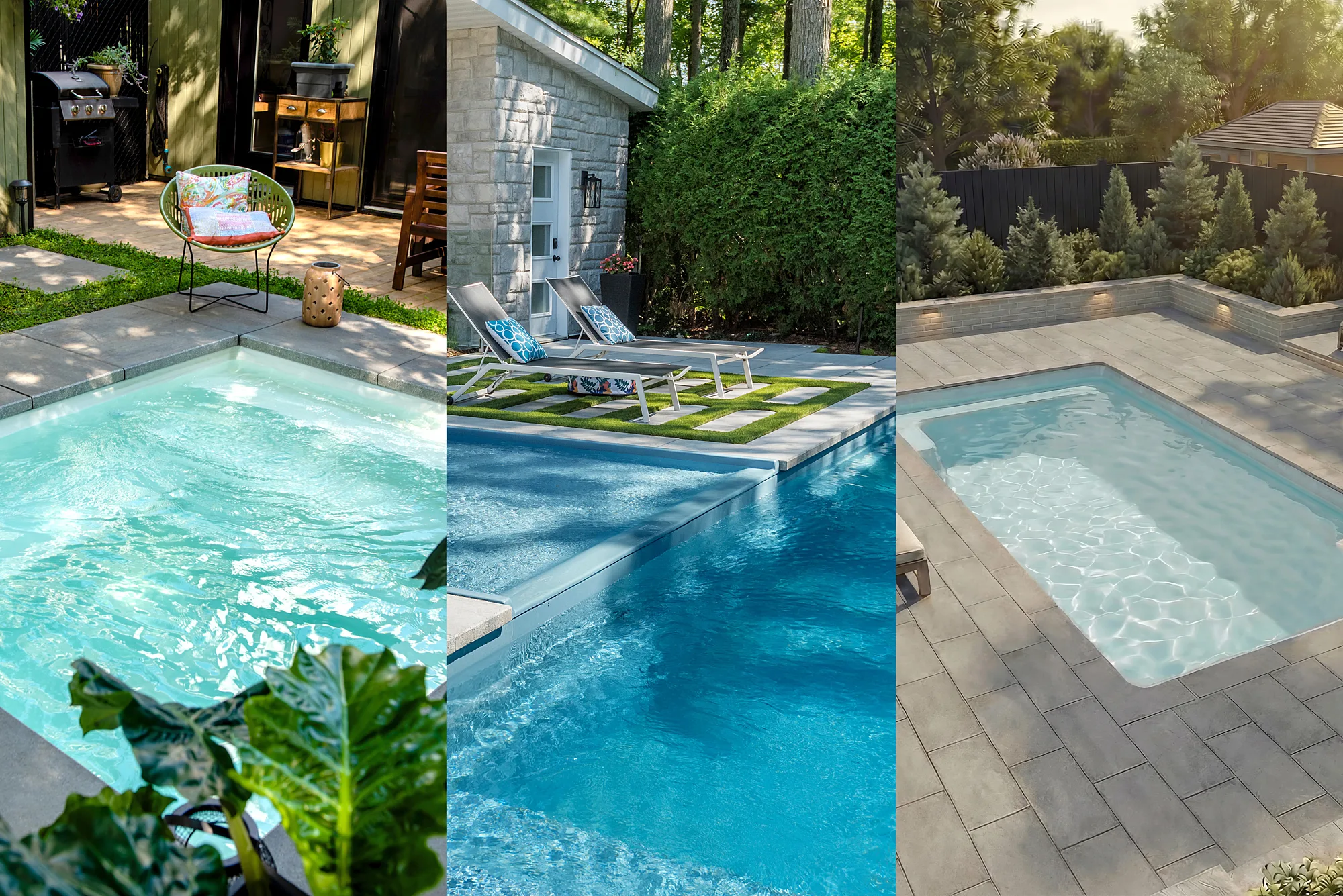
Choosing the right pool size is one of the most important decisions when planning your backyard pool. The size affects how you use the pool, how much maintenance it needs, and how well it fits your outdoor space. Whether you’re looking for a family size pool, a pool for swimming laps, or a relaxing spot for weekends, understanding inground swimming pool sizes helps you make the right choice.
Standard Inground Pool Sizes
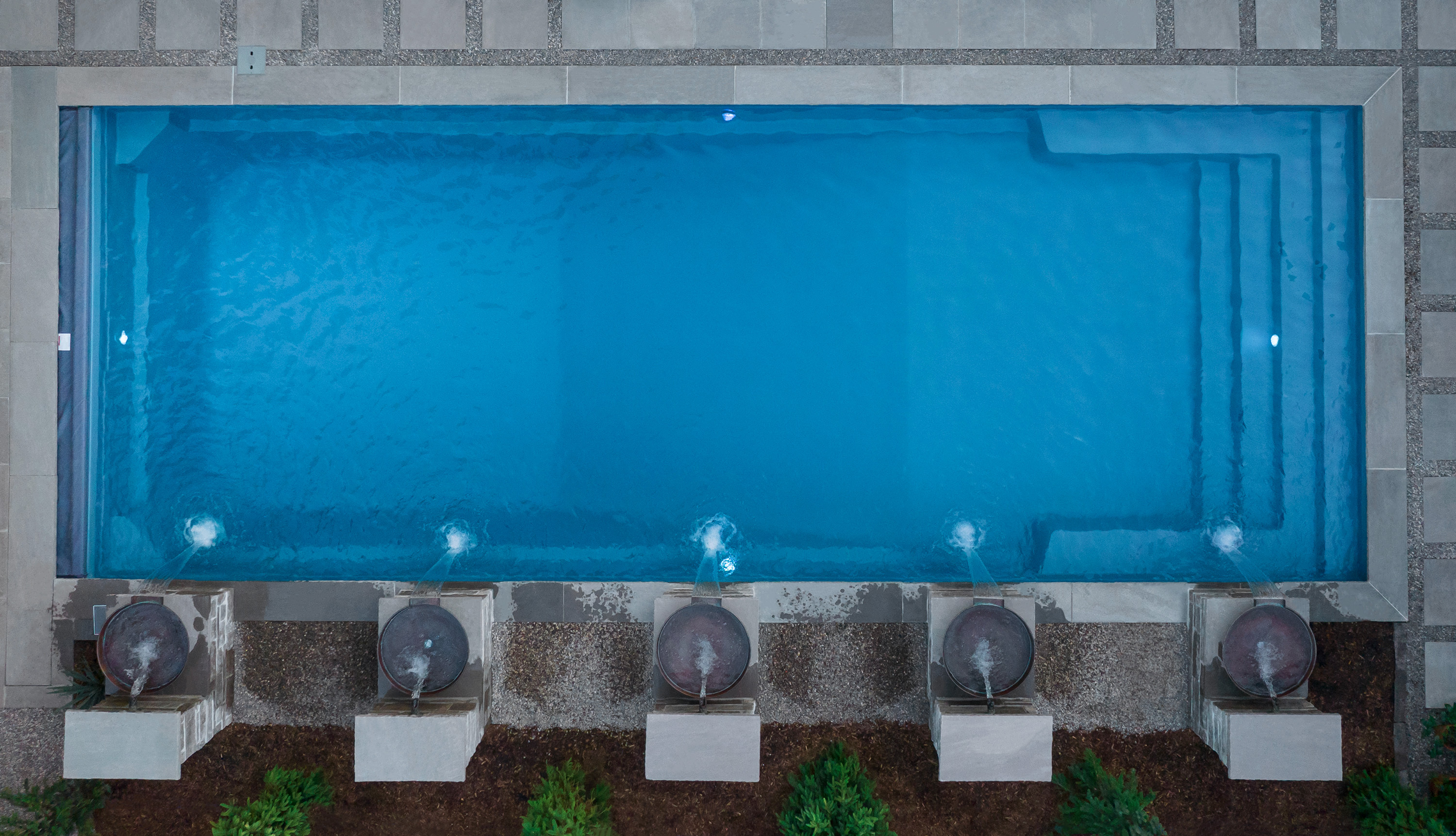
Before you choose a model, it helps to understand what the standard inground pool sizes usually are. While the exact dimensions depend on your backyard layout and how you plan to use the pool, most inground swimming pool sizes can be grouped into three main categories:
- Small pools: Small pools start at 8’ wide, and go up to 11’ wide. These are perfect for compact backyards, plunge pools, or relaxing spaces where you just want to cool off.
- Medium pools: Around 12 x 20 or 12 x 24. This is the most common family size pool, offering enough room for swimming, playing, and entertaining without taking over the entire yard.
- Large pools: Start at 14 feet wide and can go up to 20’ wide for more custom inground pools.. These are ideal for lap swimming, diving, or hosting larger gatherings where more water space is needed.
For most American homes, a normal size swimming pool is around 12 x 24, which provides a good balance between functionality and space. It allows comfortable swimming while still leaving room for decking, landscaping, and other backyard features.
How to Choose the Right Pool Size for Your Backyard
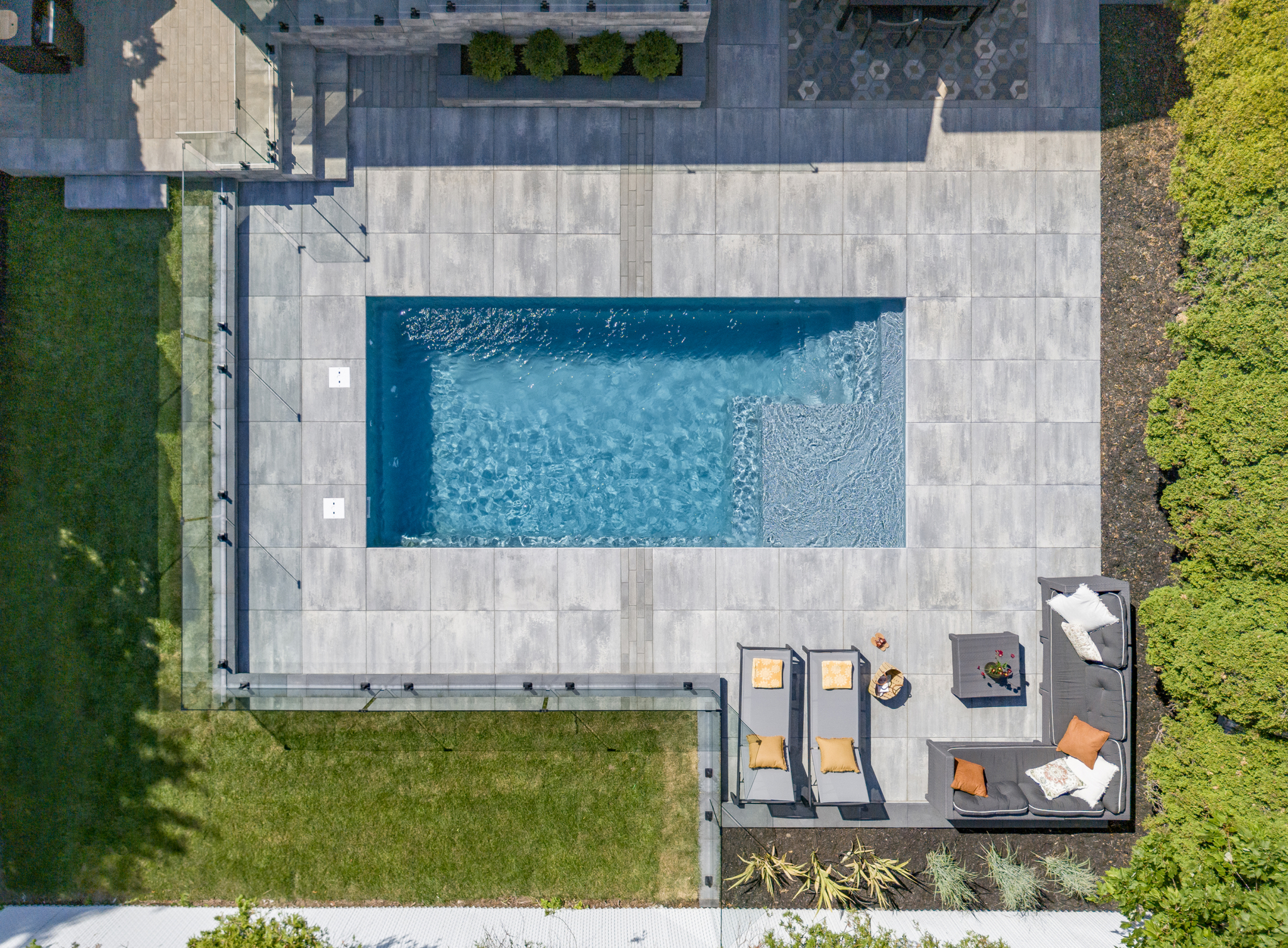
The right swimming pool size depends on how you plan to use it, who will use it, and how much space you have. Here are the key factors to consider:
a) Size of Your Yard: Always leave space for decking, pathways, and landscaping. Keep in mind local bylaws that may require setbacks from property lines or structures. As a general rule, the pool should take up no more than 25-30% of your backyard area.
b) Purpose of the Pool
- Family recreation - A family size pool around 16 × 32 feet gives enough space for swimming and playing.
- Exercise and laps - A long rectangular pool (at least 30-40 feet) allows for continuous swimming.
- Relaxation and lounging - Smaller pools like 10 × 20 feet work well for soaking or tanning ledges.
- Entertaining guests - Larger backyard pool sizes with shallow ends on both sides are great for group activities.
c) Budget and Maintenance: The bigger the pool, the higher the cost of construction and maintenance. A small fiberglass pool uses less water and chemicals. A large fiberglass pool provides more versatility but needs a stronger filtration system and more cleaning time. When exploring fiberglass pool sizes and prices, remember that installation, accessories, and landscaping all add to the total.
Average Backyard Pool Size in North America
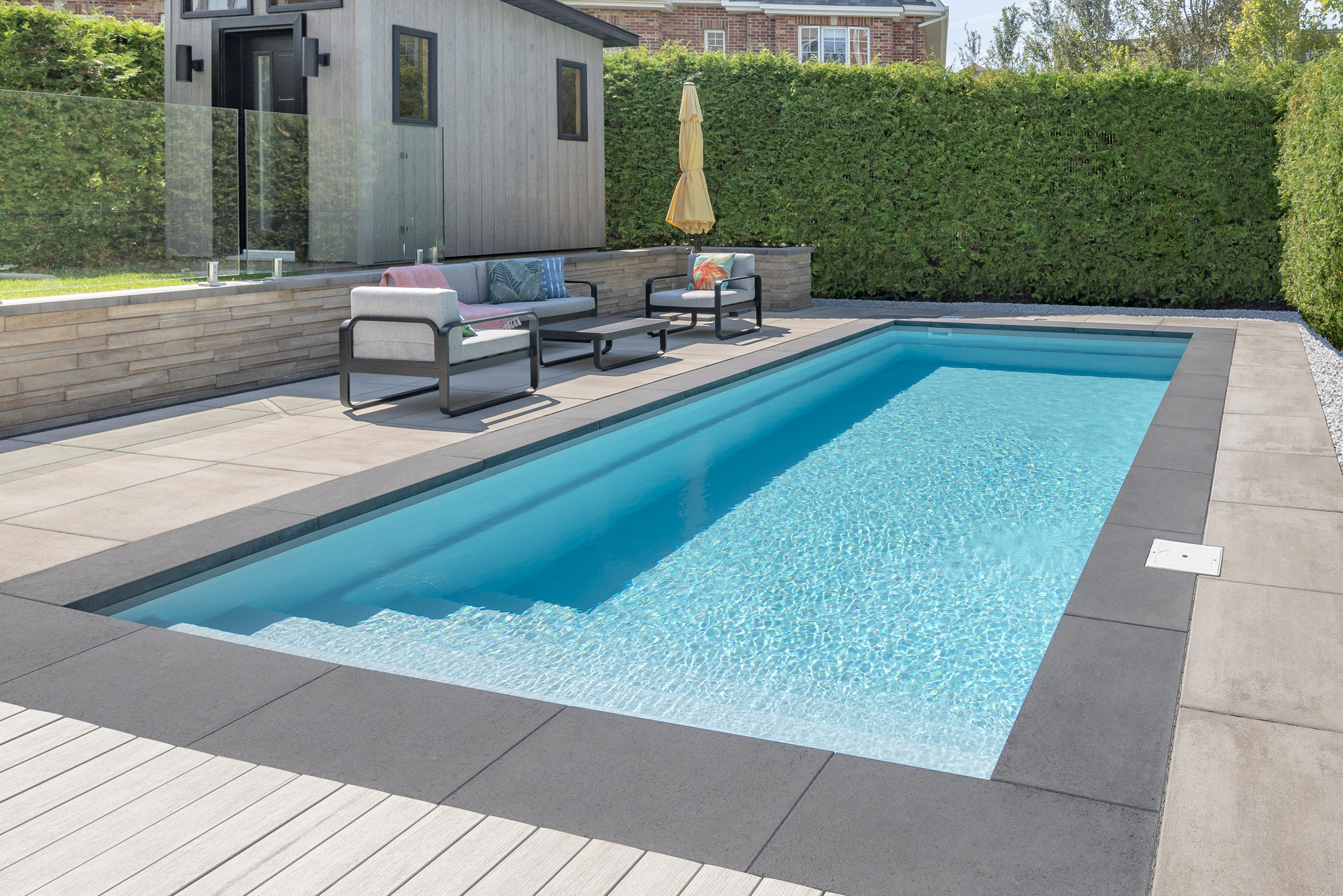
American backyards come in different shapes and sizes. Most homeowners choose pools between 12 × 24 feet and 16 × 32 feet because they fit well in suburban lots and still offer plenty of space for swimming. If your backyard is narrow or irregularly shaped, fiberglass models provide flexible inground pool measurements to fit tighter spaces without losing comfort or function.
Pool Depth and Usage Considerations
Pool depth plays a major role in comfort and safety. A standard depth profile includes:
- 3.5 to 4 feet for shallow ends (safe for kids and wading)
- 5 to 6 feet for middle sections (for general swimming)
- 8 feet or more if you want a deep end pool
If the pool is primarily for play or exercise, keeping it moderately shallow saves water and makes heating more efficient. Families often choose a gradual slope from 3.5 feet to 6 feet to accommodate everyone.
Fiberglass Pool Sizes and Price Ranges
Here’s a general overview of common fiberglass pool sizes and how they relate to cost:
Small Fiberglass Pools
- Size: Around 8x16 or 10x20 feet
- Best for: Compact backyards, relaxation, or plunge-style swimming
- Estimated Cost: Starting at ≈ $22,000 USD depending on installation and add-ons like lighting or waterline tiles
Medium Fiberglass Pools
- Size: Approximately 12 x 20 or 12 x 24 feet
- Best for: Families who want room for swimming, playing, and lounging
- Estimated Cost: ≈ $30,000 USD
Large Fiberglass Pools
- Size: Typically 16x40 or 15 x 35 feet
- Best for: Spacious backyards, lap swimming, or entertaining guests
- Estimated Cost: Starts around ≈ $40,000 USD, with premium designs exceeding ≈ $73,000 USD
Each size offers unique benefits, the right choice depends on your space, lifestyle, and how you plan to use your pool.
Choosing the Right Shape for Your Pool Size
The shape of your pool can influence both its functionality and visual appeal, often just as much as the dimensions themselves. Choosing the right pool shape helps you make the most of your available space and supports how you plan to enjoy your pool.
- Rectangular Pools: Perfect for lap swimming, pool games, and simple maintenance. Their clean lines complement modern homes and make them easy to cover during the off-season.
- Freeform Pools: Designed with curves and organic shapes, freeform pools blend naturally into landscaped backyards. They’re great for creating a resort-style, relaxed look that complements gardens and rock features.
- Oval Pools: A softer alternative to rectangles, their smooth edges make them ideal for family use, especially if you want a pool that feels spacious but fits neatly into a medium-sized yard.
- Spa Pools: Smaller and more compact, spa pools combine relaxation and hydrotherapy. They’re a great addition beside a larger fiberglass pool or as a standalone feature for year-round enjoyment.
- Plunge Pools: These compact pools are perfect for small spaces or for homeowners who want a refreshing dip without a full-sized pool. Despite their size, plunge pools can be beautifully designed with seating, jets, or even heating options.
Whether you’re after clean geometry or a natural, flowing look, the right pool shape improves your backyard’s layout and matches your lifestyle perfectly.
Maintenance and Practical Considerations by Size
A larger pool means:
- Higher water volume
- More energy for heating
- Larger filtration systems
- More cleaning time
Smaller inground swimming pool sizes are quicker to maintain and heat but may limit activities like lap swimming or diving. If you’re unsure, it’s better to size slightly larger than you think you’ll need, as most homeowners regret choosing a pool that feels too small after installation.
Explore Azoria Fiberglass Pools
If you’re planning to buy a fiberglass inground pool, explore Azoria’s pool collections to find the perfect match for your yard size and lifestyle. Azoria’s manufacturing benefits, like the CovaTec Process, strengthen shells so larger models perform well over time. All pools are covered by Azoria’s warranty information, which helps protect your investment. See product models and details at the Fiberglass Pools Collection and learn about the 30-year warranty.
